
Sensory Integration Therapy in Vadodara: A Guide for Parents
Children with sensory processing difficulties often face challenges in daily life, from struggling with textures to being overwhelmed by bright lights or loud sounds. Sensory Integration Therapy in Vadodara is designed to help children manage these challenges by improving their ability to process and respond to sensory information.
What is Sensory Integration Therapy?
Sensory Integration Therapy focuses on helping children develop the ability to process and interpret sensory input effectively. It is commonly used for children with autism spectrum disorder (ASD), ADHD, and other sensory processing disorders.
Benefits of Sensory Integration Therapy
Improves attention and focus
Enhances motor skills and coordination
Reduces anxiety caused by sensory overload
Helps with self-regulation and emotional control
Supports better social interactions
Start Your Child’s Journey Towards Growth Today
How Sensory Integration Therapy Works
A trained therapist assesses the child’s sensory needs and creates a structured plan that includes:
1. Controlled Sensory Activities
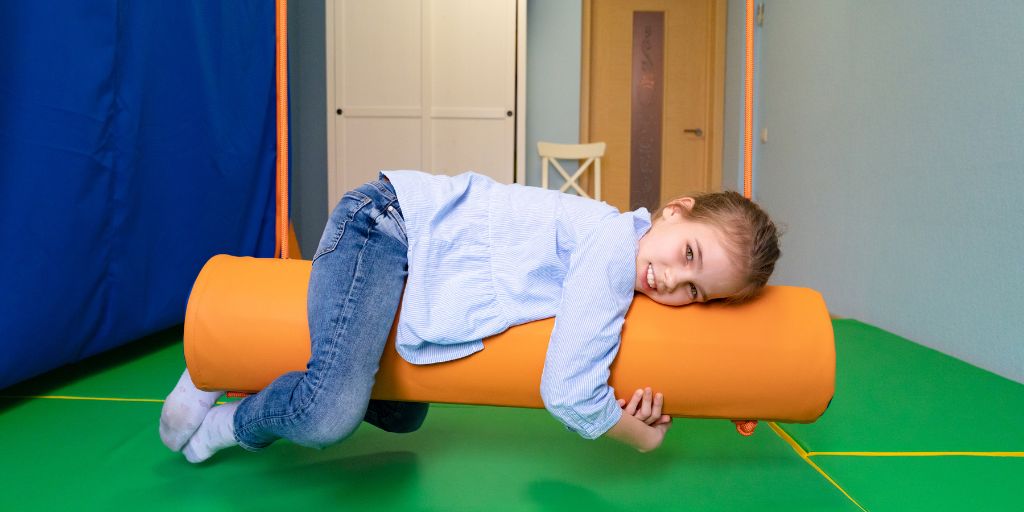
Swinging, spinning, or bouncing to develop balance (vestibular input)
Playing with different textures like sand, rice, or water (tactile input)
Deep-pressure activities like weighted blankets or compression vests (proprioceptive input)
2. Interactive Play Therapy
Activities such as obstacle courses, climbing structures, and ball pits
Coordination exercises using therapy balls and balance beams
3. Adaptive Techniques for Daily Life
- Strategies for managing sensory overload at home and school
- Occupational therapy techniques for improving handwriting, dressing, and eating skills
Who Can Benefit from Sensory Integration Therapy in Vadodara?
This therapy is beneficial for children facing:
Autism Spectrum Disorder (ASD)
Attention Deficit Hyperactivity Disorder (ADHD)
Sensory Processing Disorder (SPD)
Learning disabilities
Developmental delays
Sensory Integration Therapy Sessions: What to Expect
Sessions typically last 45-60 minutes and may be held twice or thrice a week depending on the child’s needs. The therapist will use engaging activities to gradually help the child build tolerance and improve sensory processing abilities.
Common Sensory Activities and Their Benefits
| Activity | Sensory Benefit |
|---|---|
| Swinging on a hammock | Improves balance and coordination |
| Playing with textured materials | Enhances tactile sensitivity |
| Jumping on a trampoline | Provides proprioceptive input |
| Deep-pressure massage | Helps with self-regulation |
| Listening to calming sounds | Reduces sensory overload |
Understanding Sensory Processing Disorder: Global Prevalence and Awareness
Sensory Processing Disorder (SPD) affects a significant number of children worldwide, with prevalence rates varying across different populations.
Prevalence of Sensory Processing Disorder
General Population: Studies estimate that approximately 5% to 16% of school-aged children in the United States exhibit symptoms of SPD.
Children with Developmental Conditions: The occurrence of SPD is notably higher among children with developmental disorders. Research indicates that up to 88% of children with autism spectrum disorder (ASD) experience sensory processing challenges.
Impact of Birth Factors: Research suggests that children born prematurely or via cesarean section may have a higher likelihood of developing SPD.
Parental Awareness and Global Perspectives
Awareness of SPD varies globally, influenced by cultural, educational, and healthcare factors.
United States: In the U.S., there is a growing recognition of SPD among parents and healthcare professionals, leading to increased diagnoses and interventions.
Saudi Arabia: Studies have highlighted sensory processing challenges among Saudi children with autism, indicating a need for heightened awareness and specialized services in the region.
Global Initiatives: Organizations like the STAR Institute have made significant strides in educating parents and professionals worldwide, reaching over 11,000 individuals across 90 countries in the past five years.
Despite these efforts, many countries still lack widespread awareness and resources dedicated to SPD. Cultural perceptions, limited access to specialized healthcare, and varying educational priorities contribute to this disparity. Continued global education and advocacy are essential to ensure that children with SPD receive appropriate support and interventions.
In summary, while SPD affects a considerable number of children worldwide, the level of parental awareness and availability of resources differ significantly across countries. Ongoing research, education, and advocacy are crucial to bridge these gaps and provide effective support for children with sensory processing challenges.
FAQs About Sensory Integration Therapy in Vadodara
1. What age group benefits from Sensory Integration Therapy?
Kids of all ages, from toddlers to teens, can benefit from Sensory Integration Therapy based on their needs. Whether they’re sensitive to sounds or crave movement, this therapy helps them focus, stay calm, and feel more comfortable in their surroundings. It’s great for kids with autism, ADHD, or sensory challenges.
2. How long does it take to see progress?
Every child responds differently to therapy, but with consistent Sensory Integration Therapy for about 3 to 6 months, noticeable improvements can usually be seen. Regular sessions help children adapt, improve sensory processing, and develop better motor and behavioral responses. Patience and consistency play a big role in achieving the best results over time.
3. Is Sensory Integration Therapy only for children with autism?
Sensory Integration Therapy isn’t just for one condition—it helps children with various sensory challenges, including ADHD, developmental delays, and anxiety disorders. It supports better sensory processing, improves focus, and helps children feel more comfortable in their environment. This therapy can make daily activities easier and more enjoyable for kids facing sensory difficulties.
4. Can Sensory Integration Therapy be done at home?
Yes, therapists usually provide parents with home-based activities to support their child’s progress. Simple exercises like swinging, deep-pressure hugs, or playing with textured objects can reinforce therapy benefits. Consistently practicing these activities at home helps children adapt better to sensory experiences and accelerates their overall improvement in processing sensory information.
5. How do I know if my child needs Sensory Integration Therapy?
If your child struggles with loud noises, certain textures, or movement, or has difficulty with coordination and focus, it may indicate sensory processing challenges. A professional therapist can assess their needs and recommend personalized strategies to help them navigate sensory experiences more comfortably, improving their daily interactions and overall development.
6. Are there any side effects?
Sensory Integration Therapy is safe and has no harmful side effects. However, some children may take time to adjust to new sensory experiences. They might feel overwhelmed initially, but a skilled therapist gradually introduces activities at a comfortable pace, ensuring a positive and beneficial experience that helps improve their sensory processing over time.
7. How much does Sensory Integration Therapy cost in Vadodara?
The cost of Sensory Integration Therapy varies based on the therapist’s expertise, session length, and frequency. Some centers offer package deals or customized plans. It’s best to consult a therapy center directly to get accurate pricing details and find an option that fits your child’s needs and your budget.
8. Do schools support Sensory Integration Therapy?
Many schools recognize sensory integration challenges and may offer accommodations like sensory breaks, quiet spaces, or specialized seating. Some even collaborate with therapists to support children’s needs. It’s helpful to communicate with teachers and school administrators to ensure they understand your child’s requirements and can implement strategies that enhance learning and comfort in the classroom.
9. How do I find the best Sensory Integration Therapy center in Vadodara?
When choosing a therapy center, look for qualified occupational therapists with experience in sensory integration. Check reviews from other parents to understand their approach and effectiveness. A good center should offer personalized therapy plans tailored to your child’s specific needs. Visiting the center and discussing their methods can help ensure it’s the right fit for your child.
10. Is this therapy covered by health insurance?
Some insurance plans do cover occupational therapy, but coverage varies based on the provider and policy. It’s best to contact your insurance company directly to understand the benefits, limitations, and any required documentation. Some plans may require a doctor’s referral or prior authorization, so checking the details beforehand can help you plan for therapy costs effectively.
Conclusion
Sensory Integration Therapy in Vadodara- Trinity child devlopment center provides essential support for children struggling with sensory challenges. By working with a skilled therapist and incorporating sensory-friendly strategies at home, children can improve their ability to process sensory input, leading to better focus, coordination, and emotional well-being. If you think your child might benefit, consider scheduling a consultation with a professional therapist today.